News
Creative Inclusive Learning: What We Built in Year One
August 31, 2026
By: Kristina Hill, Executive Leader of Education
A year ago, our Creative Inclusive Learning initiative was, in many ways, a series of questions.
What would happen if we built learning environments around belonging, creativity, access, and the many different ways people experience the world?
What might change if the people most affected by our systems were part of designing those systems from the beginning?
What would we learn if we gave ourselves enough time to listen, experiment, build relationships, and figure some things out along the way?
A year in, I think we have some answers. And, perhaps more importantly, we have better questions.
Year One was about building the foundation
Creative Inclusive Learning grew from the belief that learning must make room for the whole human being. Through Camp and our year-round work, Appel Farm has been doing this work for years, woven throughout our programs and into our everyday practices. We didn’t always have the language to describe what we were noticing, or to make the connections across our work visible.
The idea sparked from the creative practice of notice and wonder: paying attention to what was happening, wondering why certain approaches created more belonging, access, creativity, and connection, and looking for the patterns across our work. The Inclusive Healthy Communities grant funding opened up the opportunity to take our noticing and wondering further, building a framework to name those patterns, make more intentional what had already been taking shape, and begin sharing the practice with others.
Our brains, bodies, identities, communication styles, sensory experiences, interests, and ways of making meaning are wonderfully varied. There are so many ways to learn, participate, communicate, create, and belong.
That belief has shaped how we approached this first year.
Once a year one plan was built, a coordinator was hired, and together we started to look more closely at what was already working. We brought together a cohort of neurodivergent and disabled people and created space for conversation, reflection, and wondering together. Those conversations, alongside the professional development Appel Farm was engaged in across the state, helped us identify the questions artists, educators, and organizations were asking and begin developing practical resources in response.
We also reached beyond our immediate community, connecting with artists, educators, and leaders who were thinking about similar questions in their own spaces. Throughout the process, our Advisory Council of ten people brought lived experience and professional expertise to the work, helping us notice what we might have missed, challenging our assumptions, and shaping the direction of the project from the beginning.
The Advisory Council met monthly throughout Year One. Those conversations gave us something a one-time consultation never could: an ongoing place to ask questions, test ideas, notice what we were missing, and change course.
Over time, our Advisory Council became a working collective.
That distinction matters.
The people around the table weren’t simply reviewing something we had already decided to build. They were helping us decide what was worth building in the first place.
Co-design changed the way we worked
One of the biggest lessons of this first year has been about time.
Meaningful co-design takes time, something non-profit and educational professionals are rarely given.
It is tempting in education to want the answer. As leaders, we are asked, “Give us the framework. Give us the checklist. Give us the five things every educator should do tomorrow.”
I understand that impulse. Educators are busy. Organizations are busy. There is always another problem waiting for our attention.
But the more we worked together, the more I came to appreciate the value of staying in the questions a little longer.
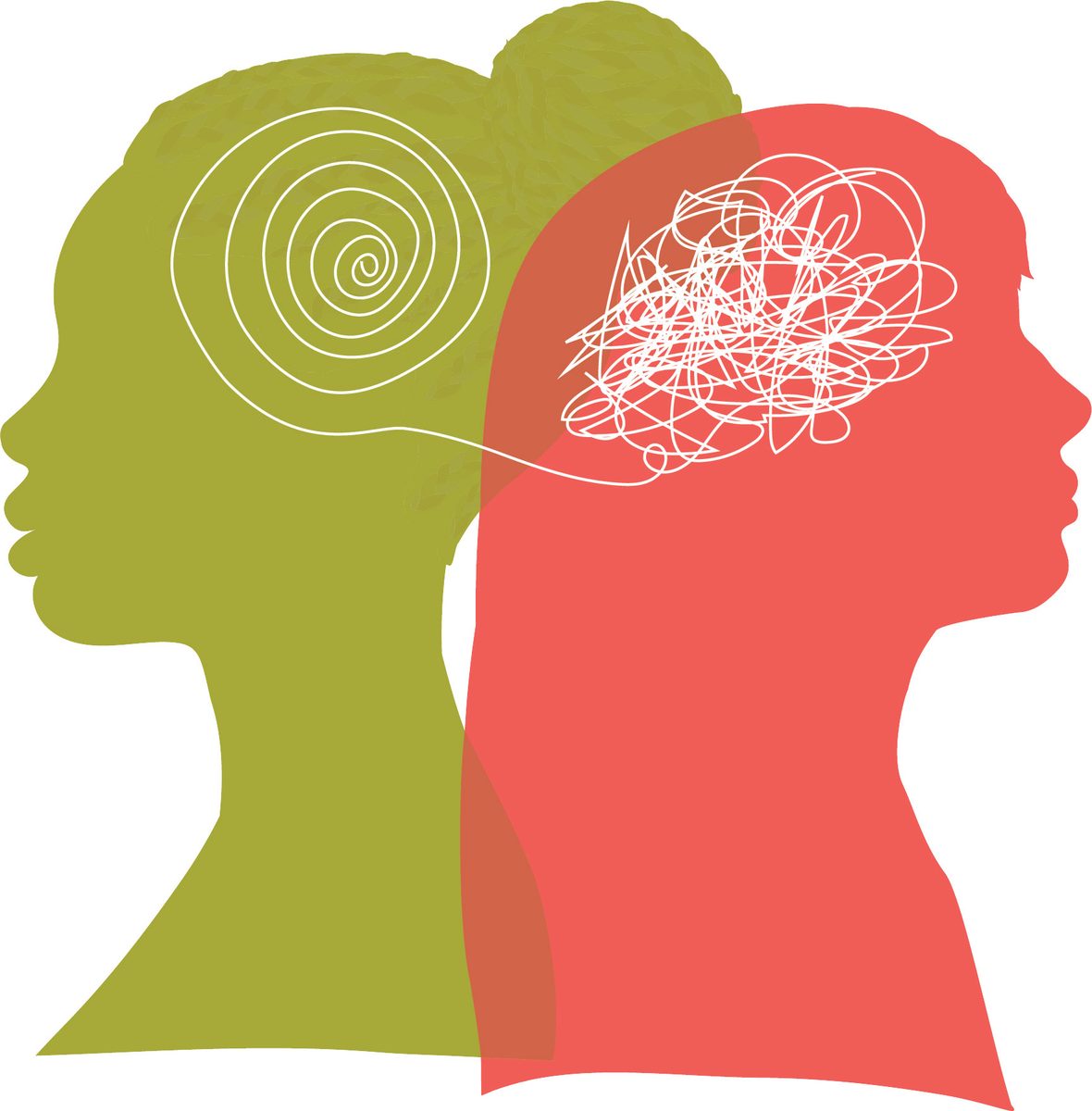
Our Advisory Council pushed us to slow down, challenge assumptions, notice gaps, and think differently about what educators and learners actually need.
That process shaped resources around double empathy, co-regulation, advocacy, auditing learning spaces, and connecting with neurodivergent artists. Each resource is a place to begin. Each can be questioned, adapted, added to, and improved.
That is intentional.
This work is about learning together, with relationships at the heart of that learning.
Relationships are what allow us to be curious with one another, giving us room to say, “I’m not sure,” or “I hadn’t thought about it that way,” or “I think we need to try something different.”
Disabled and neurodivergent leadership also changes the work in ways that go beyond representation. When lived experience is genuinely part of the design process, it influences the questions we ask, the things we prioritize, and what ultimately gets built. It changes how decisions get made, whose knowledge is valued, and what an organization understands as possible. Over time, those shifts begin to change the system itself.
Creativity gives us more ways in
Another idea became increasingly clear throughout this first year: creativity and inclusion are deeply connected.
Creative practice gives us room to approach learning differently.
There can be more than one answer.
More than one way to communicate.
More than one way to participate.
More than one way to show what we know.
We have seen the arts naturally create opportunities for movement, sensory engagement, collaboration, experimentation, ambiguity, play, and different forms of expression. Those possibilities matter for all learners, and they can be particularly powerful when we are designing with learner variability in mind.
This is one of the ideas at the heart of Creative Inclusive Learning.
Creativity can be a pathway to access.
Universal Design for Learning gives us a useful framework for thinking about learner variability. Creative practice gives us tools for putting that thinking into motion.
And I keep coming back to the idea that accessibility does not have to make learning smaller.
Sometimes, it makes the possibilities bigger.
We learned that capacity matters, too
There is a familiar pattern in education: we learn something new, feel inspired, and then Monday arrives.
We attend the workshop.
We download the resource.
We leave with ten new ideas.
Then we return to classrooms, programs, organizations, schedules, budgets, relationships, and all the other realities that shape our work.
Real change needs somewhere to live.
It needs time to practice. It needs opportunities to try something, learn from what happened, and try again. It needs relationships and organizational support. And it needs people who can help carry the work forward.
That is why Year One focused so much on capacity and infrastructure.
We wanted to build something that could grow beyond the people who started it.
The next phase of Creative Inclusive Learning will give educators and leaders more opportunities to bring this work into their own communities, adapt it to their own contexts, and learn alongside others doing the same.
That is the part I find especially interesting.
What happens when the work starts moving from one organization into a network of people who are experimenting, sharing what works, talking honestly about what doesn’t, and helping each other keep going?
This work belongs to all of us
Creative Inclusive Learning has reminded me that inclusion is ongoing work.
There will never be a moment when we can check a box, declare a learning environment inclusive, and move on.
Every learner brings something new.
Every educator brings a different set of experiences.
Every community has its own context.
And when we pay attention, those differences give us more information about how our environments are working and who they are working for.
That information is valuable.
So as we close out Year One, I am less interested in declaring that we have figured something out than I am in celebrating what we have built together:
A foundation.
A community of people with lived experience and unique expertise who are willing to ask hard, hopeful questions.
Resources that can be used, challenged, adapted, and improved.
Relationships rooted in shared learning and creative care.
And a growing belief that inclusive learning can create better environments for everyone.
Year One gave us the opportunity to listen.
Year Two gives us the opportunity to take what we have learned into practice, to keep experimenting, to refine and rework, and to trust the process.
There is still a lot we don’t know and I’m glad about that.
Because there is something powerful about building a learning community that stays curious.
For me, the work has always been bigger than making learning inclusive. It is about creating environments where more people can be fully themselves, fully engaged, and fully able to wonder what comes next.