
Blogs
How to choose the best sleepaway camp for kids: A guide for caregivers and parents
March 26, 2026
Summer’s on the horizon, and you’re in the process of choosing a sleepaway camp that’s truly right for your kid or teen. In New Jersey alone, you’ve got your work cut out for you in searching for the best one!
Many families look for a camp that helps kids grow creatively as well as socially. Research shows that being engaged in the arts supports children’s social and emotional development, strengthens their ability to understand others, and draws them more fully into school and community life.
At Appel Farm Arts & Music Center, that belief is at the heart of our camp. We’re a nonprofit arts camp located in South Jersey, built on the belief that art-making transforms lives. To support this philosophy, we’ve spent decades creating an inclusive, family-friendly space where campers feel supported and excited to grow!
So, allow us to help you sort through your options. We’ve put together the most important factors to consider when choosing a sleepaway camp, along with smart questions to ask before enrolling!

Table of contents
- What kind of program and learning experience suits your kid best?
- What is the camp community like?
- How safe and supportive is the sleepaway camp?
- What is the camp campus and living environment like?
- What does tuition include, and is financial aid available?
- What questions should caregivers or parents ask before enrolling their kid in a sleepaway camp?
- Why is Appel Farm the top sleepaway camp for creative kids?
- Ready to send your child to a supportive camp that feels like home?
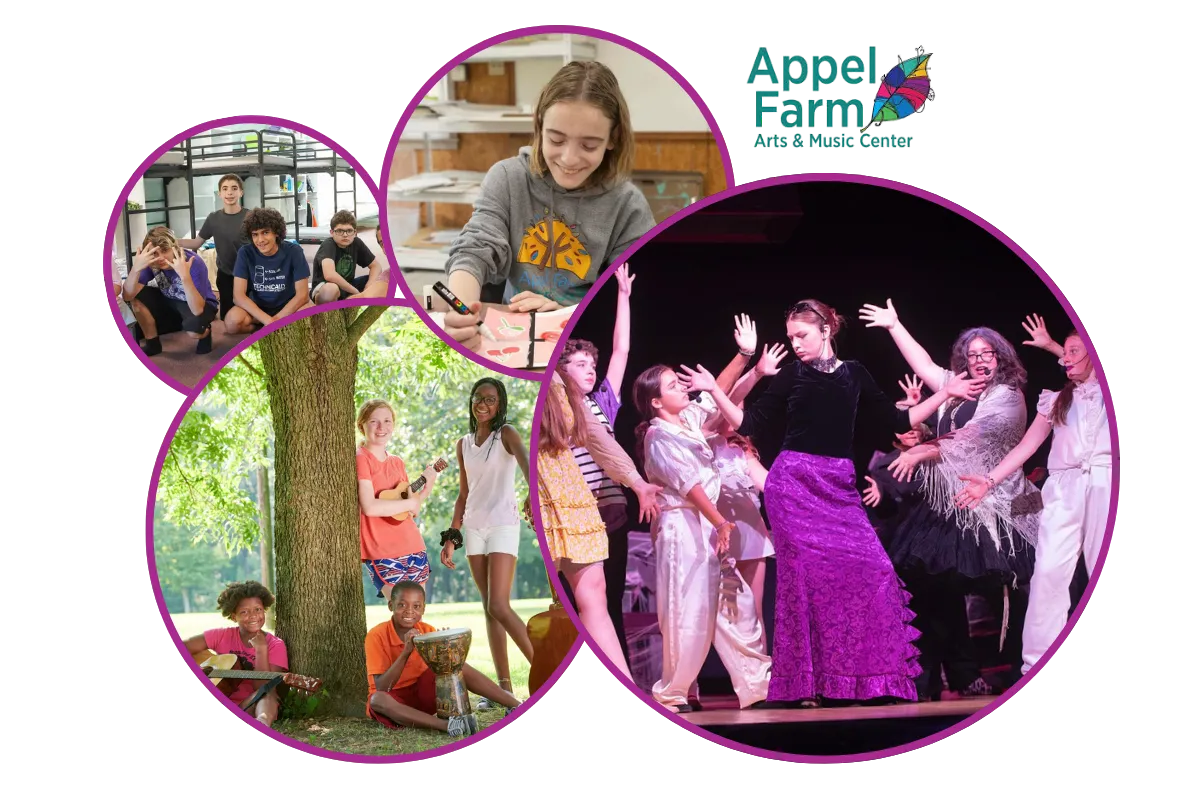
1. What kind of program and learning experience suits your kid best?
At the heart of any great sleepaway camp is the daily experience. What will your child spend their time doing and discovering? A thoughtful program should give campers room to try new things, build skills, and enjoy the process along the way. As you explore different camps, pay attention to these:
What does the camp’s daily schedule look like?
A well-rounded day at camp should feel like a balance of effective learning and fun. Arts summer camps, for instance, let campers spend more time learning about various forms of arts, like visual art, theater, dance, music, or creative writing. Unlike general camps that rotate through a wider variety of activities, specialty campers can focus on what excites them and stick with it long enough to make good progress.
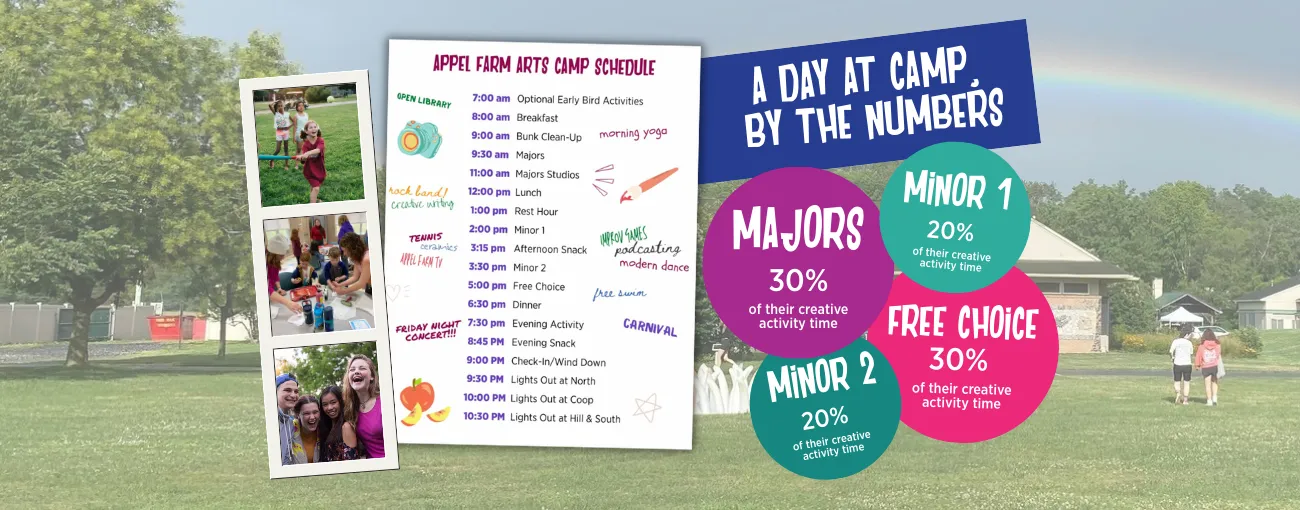
To give you an idea of what a camper’s daily schedule might look like at an arts camp, Appel Farm campers choose Majors (primary focus area) and Minors (shorter classes for variety), and Free Choice subjects for their session. And as with any summer camp, there’s always time to relax and wind down with their peers outside of classes.
What opportunities do campers have to grow and build skills?
During their session, how will your child really discover what they’re capable of? What kinds of healthy challenges are built into the experience? Strong specialty camps create clear milestones.
In arts programs, that often means end-of-session performances, showcases, or exhibitions where campers share the work they have been developing. Preparing for a final performance teaches focus and follow-through. Standing on stage or displaying artwork builds confidence in a way that practice alone cannot!
Growth can also look like leadership. At Appel Farm, our Counselor In Training (CIT) program gives older teens the chance to step into mentorship roles. CITs learn how to support younger campers, communicate clearly, and model responsibility within a creative community. It’s structured and designed to help teens grow not just as artists, but as leaders.
How long are sleepaway camp sessions, and which length is best?
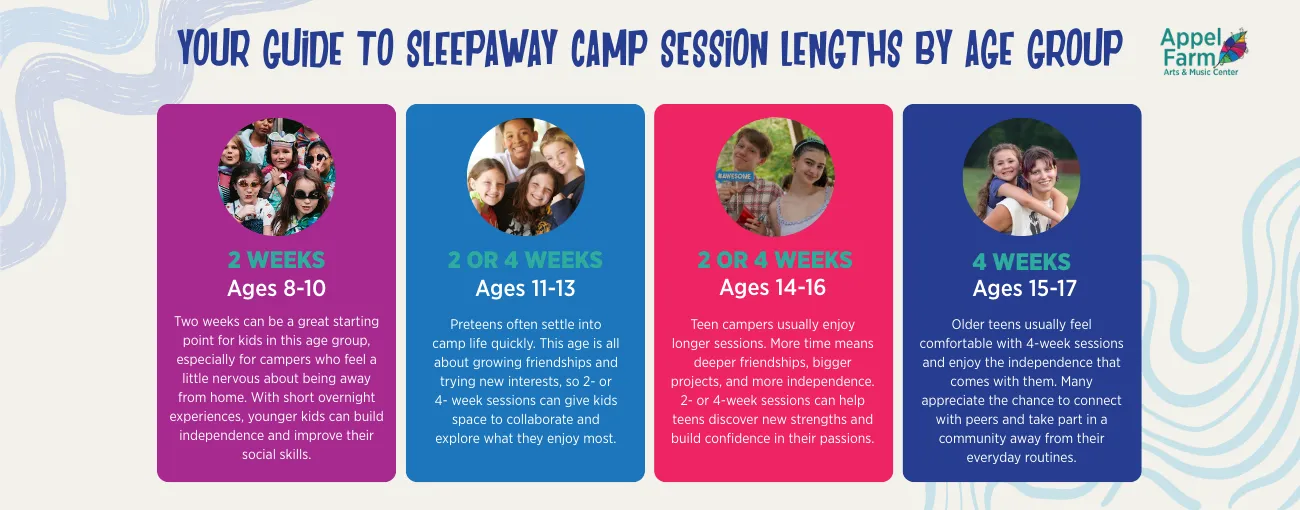
Most sleepaway camps, like Appel Farm, offer two-week and four-week sessions.
For first-time campers or younger kiddos, a two-week session is often the perfect starter length. It’s long enough to build a bond with peers and learn new skills, but short enough to feel achievable. More experienced campers or teens might opt for a four-week session, which lets them work on more complex projects and culminating performances.
2. What is the camp community like?
No matter the length of your camp session, it’s important to know what kind of community your child will live in every day. Some aspects to pay close attention to include:
What values shape the camp’s culture?
What does the camp stand for? Some sleepaway camps emphasize competition and independence. Others center on personal growth, collaboration, and community-building. The question becomes: what will benefit your kid the most?
For example, Appel Farm’s philosophy revolves around artmaking as a community and healing practice – and as a way of recognizing people for who they are. We are an inclusive community where campers feel safe to try new things and grow without worrying about being the best.
Our teaching artists focus on process over product, so kiddos can take creative risks and discover their own voice. Through restorative practices and collaborative problem solving, we build a culture of respect and belonging that creates the welcoming environment we’re known for (and extremely proud of).
What is the social environment like for campers?
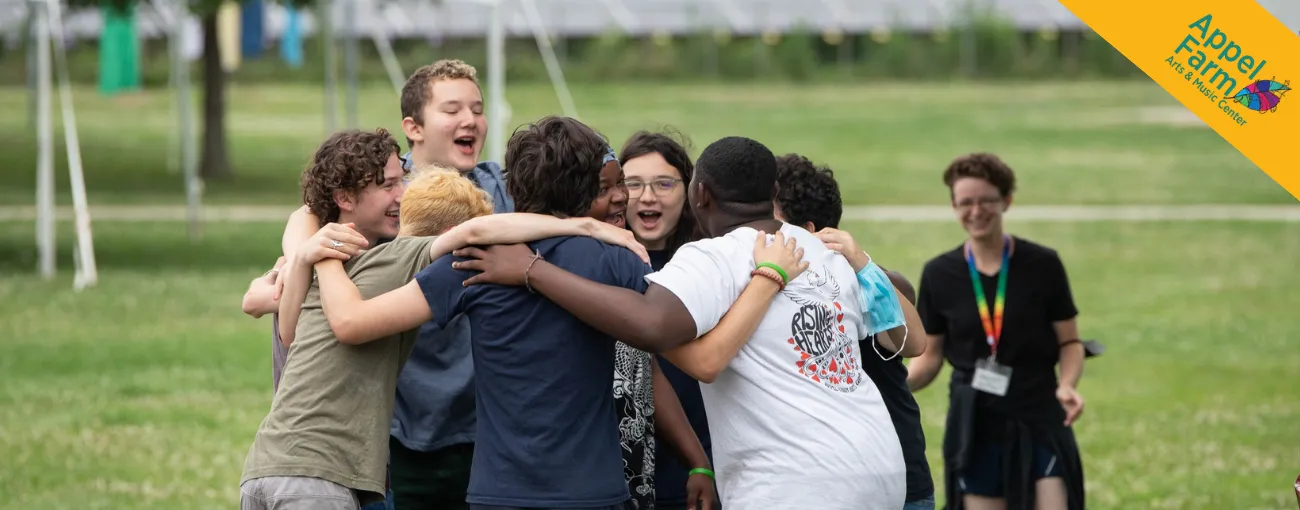
The camp’s social environment affects how your child feels from the moment they wake up in the bunk to the final nighttime circle. As you compare camps, here are a few things to look for:
- Community size: Mid-sized camps usually strike the right balance between opportunity and personalization. Campers can meet lots of new friends, but they are still known by name. Staff notice if someone needs encouragement, and no one fades into the background.
- Peer culture: In arts-focused programs, collaboration leads the way. The energy shifts from comparison to shared accomplishment. Campers rehearse together, create together, and cheer each other on.
- Skill-building over competition: Competition has its place, but it shouldn’t dominate the culture. This mindset supports healthier long-term development, because campers aren’t trying to be the best – they just want to be better today than they were yesterday.
- Daily atmosphere: How do campers interact with each other? Kindness shows up in the little things: shared lunch tables, encouragement at rehearsal, and checking in on a homesick bunkmate.
At Appel Farm, we are an inclusive, neurodiverse, and radically supportive camp. We nurture a conscious, non-competitive community where campers feel safe being fully themselves. If you’d like to check out the environment yourself, take a tour with us!
3. How safe and supportive is the sleepaway camp?
Trust is a big part of choosing a sleepaway camp. Families want to know their children are surrounded by caring adults who are prepared to support them. Ask the camp these questions:
Who are the counselors, and how are they trained?
The people leading your children are the most important people on campus. Today’s camp professionals should understand anti-bias youth development, trauma-informed care, and mental health first aid. They should know how to create inclusive spaces where every camper feels respected.
When counselors are trained to validate feelings and engage in reflective listening, they can help campers work through homesickness or social friction, directly improving your kid’s experience at camp.
What safety and healthcare systems are in place?
Always check if a camp is accredited by the American Camp Association (ACA). Accreditation means they meet hundreds of health and safety standards that go way beyond state requirements!
Beyond the certificate, you can also ask these questions about the camp’s on-site healthcare:
- How do they handle daily medications?
- What is the protocol for a midnight tummy ache and other similar cases?
- Does the camp have a dedicated clinic with 24/7 staff availability?
- Are there any hospitals close to the campus?
Knowing the camp takes health and safety seriously helps both you and your child feel confident and comfortable throughout the summer.
4. What is the camp campus and living environment like?
New Jersey has a lot to offer in terms of campus locations. When picking a sleepaway camp, think about how the campus is set up and what the surroundings feel like.
You might want to know:
- How large is the campus, and does it give campers room to move, create, and relax?
- What are the bunks like, and how are living spaces set up?
- Is the campus layout easy for campers to learn and navigate independently?
- How close is the camp to nearby towns or medical facilities?
- Does the setting feel safe, secure, and appropriately private?
- How convenient is drop-off and pick-up for families?
For example, Appel Farm’s 110-acre campus in a rural spot like Elmer gives kids plenty of space to run, explore, and just be outside, while still being close enough to Philadelphia or Wilmington to be convenient for travel.
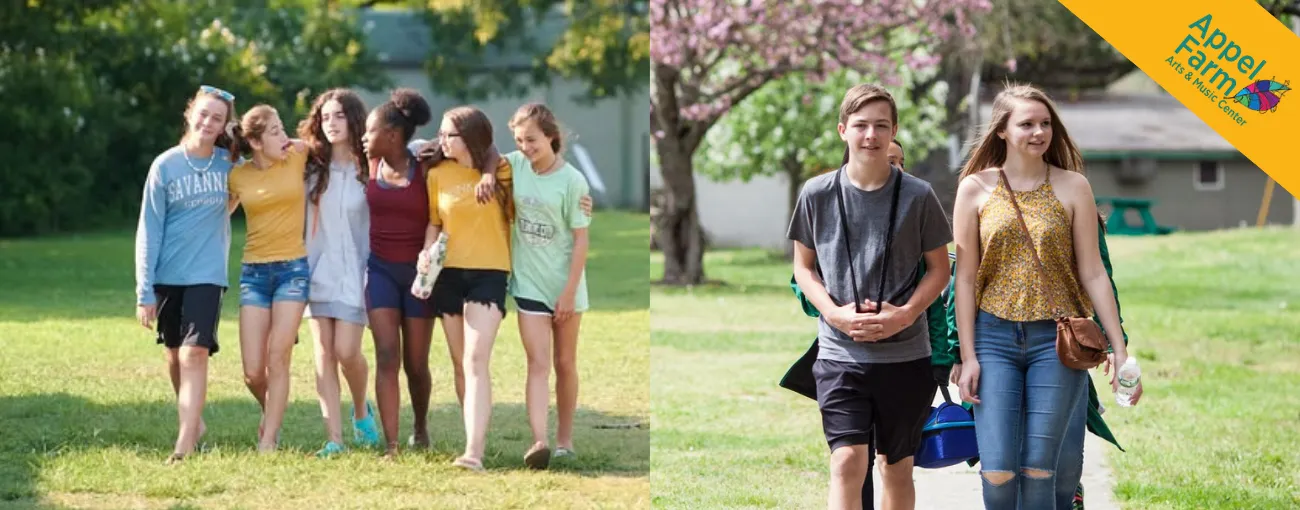
It’s always smart to book a virtual or in-person campus tour to truly get an idea of where your child will be spending their summer. Plus, you get to talk with the camp staff as well, who can tell you a lot about the camp’s culture!
5. What does tuition include, and is financial aid available?
Transparency in pricing is a sign of a well-run nonprofit summer camp. Look for camps that offer tiered pricing or true cost models, which help families understand where their tuition is going (from facility upkeep to equitable staff pay). A camp that values its community will also have a scholarship program to make it possible for children and teens from all walks of life to experience camp.
When evaluating value, think about what is included:
- Are meals, laundry, and all activity supplies part of the tuition?
- Is there an extra fee for specialized workshops?
- Are transportation services available, and if so, what do they cost?
- Are payment plans offered to spread out tuition payments over time?
- What is the refund policy if plans change?
What questions should caregivers or parents ask before enrolling their kid in a sleepaway camp?
Wait! Before you sign on the dotted line, have a conversation with the camp leadership. A good director will be happy to answer your questions and provide specific examples of how they handle different situations. Some questions we recommend caregivers or parents ask (and our answers):
Homesickness happens, and we’re ready for it. Our counselors are trained to support campers with proven strategies that help them adjust and build confidence away from home. We encourage letter writing during rest time and even host fun “letter-writing parties” so campers can stay connected with family while still staying engaged in camp life.
Campers spend their days creating and trying various activities. Each camper chooses a Major in an art form they love, with options like theater, music, dance, visual arts, photography, video, creative writing, and more. They also choose Minors (subject offerings depend on our staff’s availability!) to explore something new. Free Choice time lets campers enjoy other creative activities across campus.
At Appel Farm, community comes first. We see challenges between campers as opportunities to learn empathy, communication, and collaborative problem-solving. Our staff guide campers through respectful conversations so everyone feels heard and supported while strengthening the community we share.
Our counselors and instructors bring strong experience in working with young people and the arts, and all staff members are 18 years or older. Staff are all certified in Youth Mental Health First Aid, and before camp begins, they receive extensive training in safety procedures, emergency response, mandated reporting, curriculum design, and collaborative problem solving. Staff also learn best practices for teaching and mentoring campers.
Our kitchen serves balanced meals every day and offers vegetarian, vegan, and gluten-free options. We work with families to accommodate most dietary needs so every camper can enjoy meals safely with the community!
Campers start with their Major class in the morning, spend the afternoon in two Minors, and enjoy a Free Choice period later in the day. Evenings bring all-camp activities, performances, or social events that bring the whole community together.
Our counselors keep a close eye on how campers are feeling and help guide friendships in a supportive way. Small bunk communities and caring staff make it easy for campers to talk through challenges, build confidence, and feel like they belong.
To prepare for sleepaway camp, we recommend helping your child practice independence with things like sleepovers, managing their hygiene routine, and packing their own items.
Caregivers can stay connected by sending letters and emails to their kids at camp, and also by viewing frequent photo updates on our website. Families can also reach out to Camp Directors whenever needed. Our directors live on campus and are available to support families, and our health center can relay urgent messages at any time!
Our on-site Health Center is staffed by resident nurses, and a physician visits the camp regularly, allowing campers to receive medications through the Health Center.
During business hours (weekdays from 9:00 AM – 5:00 PM), you can reach the directors by phone at (856) 358-2472, or you can email them at camp@appelfarm.org. Outside of business hours, you may call the infirmary at (856) 358-2476 for emergencies.
A camp that welcomes your questions is a camp that takes its responsibility seriously. That openness is often the first glimpse of the community your child will join. If you have more questions, check out our FAQs page!
Why is Appel Farm the top sleepaway camp for creative kids?
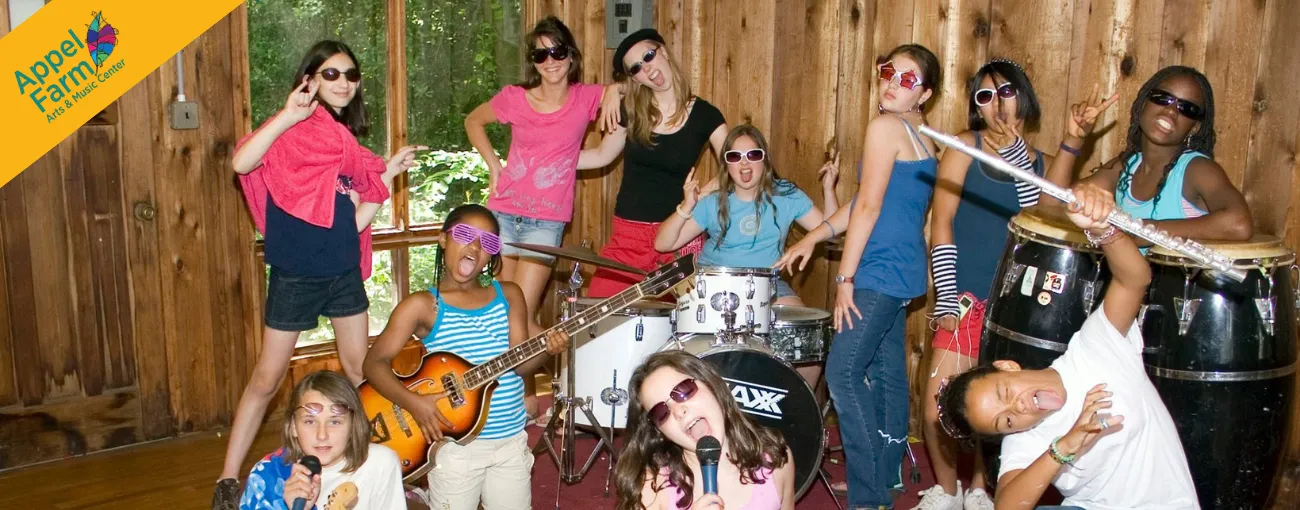
If you’re looking for a sleepaway camp in New Jersey that brings together creativity, community-building, and personal growth, Appel Farm Arts and Music Center offers something truly special.
Some of our camp highlights include:
- Camp activities: We offer music, theater performance, technical theater, dance, visual art, photography, media arts, creative writing, and environmental art programs.
- Two- and four-week sessions: Families can choose between two camp session lengths: a two-week session to ease into sleepaway camp, or a four-week session for deeper friendships, bigger projects, and more artistic development.
- Scholarships: As a nonprofit, we offer scholarships to expand access and build a diverse, vibrant camp community.
- Healthcare and safety: Our on-site health center and trained staff handle daily medications, dietary needs, and camper wellbeing with care and professionalism.
- Progressive and inclusive environment: We’re proud of our creative, inclusive learning spaces that create a culture where every camper feels respected and celebrated.
When creativity and community come together, something special happens. That’s the heart of the Appel Farm experience, and we would love for your child to be part of it!
Ready to send your child to a supportive camp that feels like home?
The best camp for your kiddo is a place where they feel ready to grow and truly accepted for who they are.
Appel Farm’s sleepaway camp is built around creative expression, community-building, inclusivity, and personal growth. Campers spend their days immersed in art-making through Majors and Minors they choose, guided by professional staff members and caring teaching artists.
Are you ready to see how a summer of art can change your child’s world?